
How Laval Home Cleaners Tackle Grease Buildup in Open-Concept Kitchens
Open-concept kitchens create a spacious, welcoming environment where cooking, dining, and entertaining often happen within the same shared area.
COMMERCIAL CLEANING
Clean On The Go
11/7/20268 min read

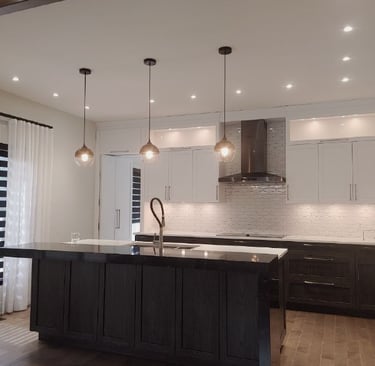
Understanding Why Grease Buildup Is Common in Open-Concept Kitchens
Open-concept kitchens create a spacious, welcoming environment where cooking, dining, and entertaining often happen within the same shared area. Although this layout offers excellent functionality and visual appeal, it also allows airborne grease, cooking odors, and fine food particles to travel beyond the immediate cooking zone. When oil heats in a pan or food cooks on a stovetop, microscopic grease droplets can become suspended in the air and settle on nearby cabinets, countertops, light fixtures, furniture, and decorative surfaces. Over time, these particles combine with household dust and moisture, creating a sticky residue that becomes increasingly difficult to remove. Homeowners in Laval may notice that their kitchens look clean at first glance but still have greasy cabinet handles, dull surfaces, or a slightly tacky feeling around cooking areas. At Clean On The Go, we understand that maintaining an open-concept kitchen requires a cleaning approach that addresses both visible grease and the less noticeable residue that gradually spreads throughout the living space.
Identifying the Main Sources of Kitchen Grease
Effective grease removal begins with understanding where the residue originates and which surfaces are most likely to accumulate it. Frying, sautéing, roasting, and preparing meals with oils or butter can release grease particles into the air, especially when cooking at high temperatures. Areas directly above and beside the stove typically experience the greatest accumulation, but grease can also reach cabinet doors, backsplash tiles, range hoods, nearby appliances, and open shelving. In open-concept homes, the residue may extend to dining tables, pendant lights, nearby walls, and other surfaces that homeowners do not traditionally associate with kitchen cleaning. The extent of buildup depends on cooking frequency, ventilation performance, the types of meals prepared, and how consistently surfaces are maintained. Our cleaning process takes these factors into consideration so that we can focus attention on high-contact areas and hidden spots where grease tends to accumulate unnoticed.
Assessing Surfaces Before Choosing a Cleaning Method
Not every kitchen surface responds to grease removal products in the same way, which makes an initial assessment essential. Stainless steel appliances, painted cabinets, natural stone countertops, glass backsplashes, and laminate surfaces all have different cleaning requirements. Strong degreasers may be appropriate for certain durable materials but can damage delicate finishes, remove protective coatings, or leave discoloration when used incorrectly. Natural stone, for example, may require a cleaner formulated specifically for the material, while painted cabinetry generally benefits from a gentle solution and a soft cloth. Our approach prioritizes surface compatibility, allowing us to remove grease without unnecessarily exposing household finishes to harsh chemicals or abrasive tools. By matching the cleaning technique to the material, we help homeowners maintain the appearance, durability, and functionality of their kitchen surfaces.
Removing Grease From Kitchen Cabinets and Drawer Fronts
Kitchen cabinets are among the most common places for grease to accumulate because their surfaces frequently sit within the path of airborne cooking residue. Upper cabinets near the stove may develop a thin, sticky film, while lower cabinets and drawers often collect grease around handles and edges through repeated contact with hands. This buildup can make cabinet finishes appear dull and can attract additional dust, creating a layer that becomes harder to remove as time passes. Professional cleaning typically involves applying a suitable cleaning solution to a cloth or sponge, gently loosening the residue, and wiping the surface without saturating seams or exposed edges. Particular attention is given to cabinet handles, corners, trim, and the areas immediately surrounding cooking appliances, where grease can collect in small crevices. Our detailed cleaning methods help restore a fresher appearance to cabinetry while reducing the risk of damage associated with excessive moisture, aggressive scrubbing, or unsuitable cleaning products.
Deep Cleaning Backsplashes and Walls Near Cooking Areas
Backsplashes and nearby walls provide protection against splashes, but they can still develop a persistent film when cooking grease becomes airborne. Tile backsplashes may collect residue along grout lines, behind cooking utensils, and around electrical outlets, while painted walls can develop subtle discoloration that becomes more noticeable under direct lighting. Cleaning these surfaces requires attention to both the material and the amount of buildup present. On suitable tile surfaces, a compatible degreasing solution can help loosen oily residue before the area is wiped clean and dried thoroughly. Grout may need additional gentle attention because its textured surface can hold dirt and grease more readily than smooth tile. We also take care around switches, outlets, and painted finishes, using controlled amounts of cleaning solution to avoid moisture entering electrical components or damaging the surrounding material.
Cleaning Range Hoods, Filters, and Ventilation Areas
Range hoods play an important role in managing cooking fumes, odors, and airborne grease, but their effectiveness depends partly on regular maintenance. The exterior surfaces of a hood can become coated with oily residue, particularly along the underside and edges closest to the stovetop. Filters may also accumulate grease that restricts airflow and reduces their ability to capture airborne particles effectively. Cleaning the accessible exterior surfaces with an appropriate degreaser helps remove sticky deposits and improves the overall appearance of the cooking area. Where the manufacturer permits, removable filters can be cleaned according to the appliance instructions, while electrical components and internal mechanisms should be handled carefully. At Clean On The Go, we recognize that addressing accessible ventilation surfaces is an important part of kitchen maintenance, although specialized repairs or servicing may be necessary when a ventilation system has significant internal buildup or operational problems.
Restoring Cleanliness to Countertops and Kitchen Islands
Countertops and kitchen islands often serve several purposes in open-concept homes, including food preparation, dining, working, and entertaining. Because these surfaces are used frequently, they may collect grease from cooking activities as well as crumbs, spills, fingerprints, and other everyday residue. Kitchen islands located near stovetops can also receive airborne grease even when food is not prepared directly on them. A thorough cleaning process begins by removing loose debris and selecting a surface-appropriate cleaner that can dissolve oily residue without leaving a film behind. Special care is necessary when working with granite, marble, quartz, wood, and other materials that may require specific cleaning products or maintenance practices. We aim to leave these surfaces clean and ready for everyday use while following appropriate hygiene practices and respecting the manufacturer's recommendations for each countertop material.
Addressing Grease on Appliances and Frequently Touched Surfaces
Refrigerator doors, oven handles, microwave panels, cabinet pulls, and small kitchen appliances can develop a combination of grease, fingerprints, and everyday grime. These areas are particularly noticeable because people touch them repeatedly throughout the day, transferring oils from their hands onto the surfaces. When cooking residue settles on top of existing fingerprints, it can create smudges that remain visible even after a quick wipe. Effective cleaning involves using suitable products for each appliance finish and paying close attention to handles, buttons, edges, and other frequently touched areas. Stainless steel requires particular care because abrasive materials and unsuitable chemicals can scratch the finish or leave streaks that become visible in natural light. Our detailed approach helps maintain a more consistent appearance throughout the kitchen while supporting everyday cleanliness in the places household members interact with most frequently.
Preventing Grease From Spreading Into Open Living Spaces
One of the main challenges of an open-concept layout is that the kitchen does not have a separate doorway or enclosed room to contain cooking residue. Air movement from ventilation systems, open windows, ceiling fans, and heating or cooling equipment can influence where airborne grease eventually settles. Nearby sofas, dining chairs, decorative objects, curtains, and shelving may gradually collect a thin layer of residue, particularly in homes where frequent frying or high-temperature cooking takes place. Addressing this problem involves cleaning beyond the immediate cooking area and inspecting surfaces that are often overlooked during routine kitchen maintenance. Dusting suitable furniture surfaces, wiping accessible shelving, and cleaning nearby tables and hard surfaces can help reduce the accumulation of grease throughout the shared environment. We approach open-concept cleaning with the entire connected space in mind, helping homeowners maintain a more consistent level of cleanliness rather than concentrating exclusively on the stovetop and countertops.
Using Appropriate Cleaning Products for Effective Degreasing
Choosing the right cleaning product is essential for removing oily residue without creating additional problems. Mild detergents may be sufficient for fresh grease, while heavier deposits on compatible surfaces may require a dedicated degreaser used according to its label instructions. The correct dilution, contact time, application method, and rinsing procedure can all influence the result. Using excessive product does not necessarily improve cleaning performance and may leave behind a sticky film that attracts more dust. Cleaning solutions should never be mixed indiscriminately, particularly products containing bleach, ammonia, acids, or other reactive ingredients that can release hazardous fumes. Our cleaning practices emphasize suitable products, controlled application, appropriate ventilation, and material-specific methods to achieve effective results while minimizing unnecessary chemical exposure and protecting household finishes.
Why Professional Cleaning Can Make a Difference
Routine household cleaning is useful for managing everyday mess, but persistent grease buildup may require more detailed attention than a quick surface wipe can provide. Professional home cleaners can systematically inspect the kitchen, identify neglected areas, and use appropriate techniques to address residue across cabinets, appliances, backsplashes, countertops, and nearby living spaces. This structured approach is particularly helpful when grease has accumulated over several weeks or months, making it more difficult to remove through ordinary maintenance. Professional cleaners can also recognize when a surface requires specialized care rather than repeated scrubbing that might damage its finish. For Laval homeowners with busy schedules, regular cleaning services can help maintain a cleaner kitchen without requiring them to devote substantial personal time to tackling stubborn deposits. Clean On The Go focuses on practical cleaning methods that support a fresh, comfortable home environment and help homeowners manage the challenges associated with heavily used open-concept kitchens.
How Cleaning Frequency Affects Grease Accumulation
The amount of grease that accumulates in a kitchen is influenced by cooking habits, ventilation, household size, and the consistency of routine maintenance. Homes where meals are prepared daily, particularly those involving frying or oil-heavy recipes, may require more frequent attention to cabinet fronts, backsplash areas, and range hoods. Kitchens used less frequently may still develop residue over time, especially when surfaces are not wiped down after cooking. Establishing a regular cleaning schedule helps prevent fresh grease from combining with dust and becoming a thicker, more stubborn layer. Light maintenance between professional visits can include wiping suitable surfaces after cooking, cleaning spills promptly, and checking frequently touched areas for visible residue. Our cleaning services can complement these everyday habits by addressing accumulated grime and helping homeowners maintain a more manageable cleaning routine throughout the year.
Everyday Habits That Help Keep Kitchens Cleaner
Preventing grease buildup is generally easier than removing a thick layer of residue after it has hardened or attracted dust. Using a range hood whenever cooking and ensuring that it operates correctly can help capture some of the grease and moisture released into the air. Keeping the hood and its filters clean according to manufacturer recommendations also supports effective ventilation. Homeowners can reduce surface accumulation by wiping suitable countertops and backsplashes after preparing meals, cleaning splashes promptly, and avoiding unnecessary clutter around cooking areas. Cooking with lids when appropriate and using suitable heat settings can further limit the amount of oil that escapes into the surrounding environment. These small habits, combined with periodic detailed cleaning, can help maintain the appearance of an open-concept kitchen and reduce the effort required to manage persistent grease.
Maintaining a Fresh and Inviting Open-Concept Home in Laval
An open-concept kitchen contributes significantly to the comfort and appearance of a home, making cleanliness important not only around cooking appliances but throughout the connected living space. Grease buildup can gradually affect cabinetry, countertops, appliances, walls, furniture, and other surfaces, often becoming noticeable only after the residue has accumulated. A comprehensive cleaning strategy combines surface assessment, appropriate degreasing products, careful attention to ventilation areas, and detailed cleaning of overlooked locations. Regular maintenance also helps prevent fresh cooking residue from combining with dust and becoming more difficult to remove. By addressing both visible grime and less obvious deposits, homeowners can preserve the appearance of their kitchen and create a more welcoming environment for family members and guests. With a consistent cleaning routine and support from Clean On The Go, Laval residents can enjoy the benefits of an open-concept layout while keeping their kitchens cleaner, more comfortable, and easier to maintain.


Feel free to get in touch with us
We love our customers, so feel free to contact us during normal business hours.
Clean on the Go
📍180 rue Joseph-Carrier, #117
Vaudreuil-Dorion,
Quebec, Canada, J7V 3V1
📍3235 Av. de la Gare,
Mascouche,
Quebec, Canada, J7K 3C1
Contact
Hours
Monday - Friday: 9am – 5pm
Saturday - Sunday: Closed
New Areas
Terrebonne, Repentigny, Mascouche and more
Service Areas
West Island, Vaudreuil-Soulanges and Surrounding Areas.
Vaudreuil-Dorion - Hudson - Saint-Lazare - Les Coteaux - Rigaud - Notre-Dame de l'ile Perrot - Pincourt - Saint Anne de Bellevue - Senneville - Baie-D'Urfe - Kirkland - Beaconsfield - Pointe Claire - Dollard des Ormeaux - Pierrefonds - L'ile Bizard - Sainte-Genevieve - Dorval and more.